Moral disposition

Definition and stakes

M. Valentine,  Theoretical Ethics

“ We thus sum up the constituents of man's moral nature: intelligence, the conscience, free-will, and capacities for affection and doing. Where these are united the subject is organized for knowing duty and fulfilling it. But a final fact, of profound import, needs yet to be added, not as a further faculty, but rather as a consequence resultant from the union and co-action of these endowments, viz.: that this organism of faculties presents not simply a capacity as a possibility of the moral life, but a positive, vital motive adjustment and organic pre-disposition toward it. ”
Source: Gutenberg

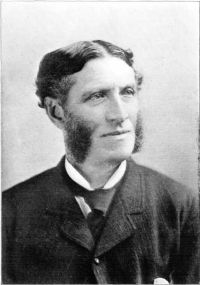
Portrait of Matthew Arnold Matthew Arnold,  St. Paul and Protestantism, with an Essay on Puritanism and the Church of England

“ As moral agents, for whom alone exist all the predicaments of merit and demerit, praise and blame, effort and failure, vice and virtue, we are impotent and lost;—we are saved through that in us which is passive and involuntary; we are saved through our affections, it is as beings acted upon and influenced that we are saved! ”
Source: Gutenberg

Portrait of Benjamin Rush Benjamin Rush,  Medical Inquiries and Observations…

“ As I consider virtue and vice to consist in action, and not in opinion, and as this action has its seat in the will, and not in the conscience, I shall confine my inquiries chiefly to the influence of physical causes upon that moral power of the mind, which is connected with volition, although many of these causes act likewise upon the conscience, as I shall show hereafter. The state of the moral faculty is visible in actions, which affect the well-being of society. ”
Source: Gutenberg

Get perspective with Kwize: daily news enlightened by great literature