Navigational channel

Definition and stakes

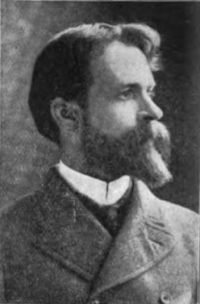
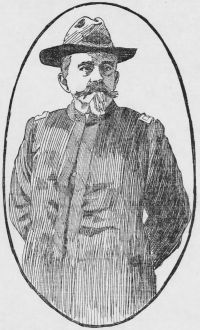
Portrait of John M. Bacon John M. Bacon,  The Dominion of the Air: The Story of Aerial Navigation

“ We are so accustomed in a sea passage to the constant passing of other vessels that we allow ourselves to imagine that a frequented portion of the ocean, such as the Channel, is thickly dotted over with shipping of some sort. But in entertaining this idea we are forgetful of the fact that we are all the while on a steamer track. The truth, however, is that anywhere outside such a track, even from the commanding point of view of a high-flying balloon, the ocean is seen to be more vast than we suppose, and bears exceedingly little but the restless waves upon its surface. ”
Source: Gutenberg

by the United States government,  Chapters (2002)

“ Look for any information or regulations published by the local harbor authority. Lacking any of this information, locate a channel or safe route on the chart and plot the vessel’s track. Most U.S. ports have well-defined channels marked with buoys. Carefully check the intended track to ensure a sufficient depth of water under the keel will exist for the entire passage. If the scale of the chart permits, lay the track out to the starboard side of the channel to allow for any vessel traffic proceeding in the opposite direction. Many channels are marked by natural or man-made ranges. ”
Source: Wikisource

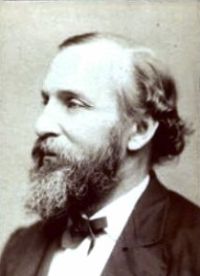
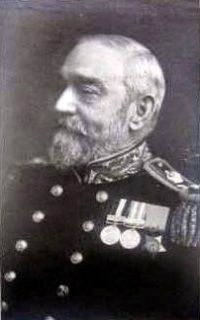
Portrait of Sydney Marow Eardley-Wilmot Sydney Marow Eardley-Wilmot,  The Development of Navies During the Last Half-Century (1892)

“ If steam has bridged the Channel, in one sense, it has equally removed the space which intervened between one part of the United Kingdom and another, and has rendered a collection of vessels at any point threatened a matter of a few hours, whereas in former times a contrary wind might delay succour until it was too late. ”
Source: Wikisource

Get perspective with Kwize: daily news enlightened by great literature