Neurological disorder

Definition and stakes

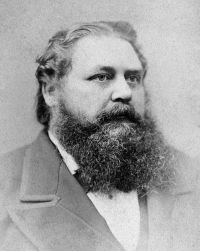
Cyril Bennett The Modern Malady; Or, Sufferers from "Nerves"

In the treatment of nervous disease it is amply exemplified. Where we are most ignorant, there we are most uncompromising in our dealings. When we understood absolutely nothing of insanity, seeing little connection between madness and disease, we resorted to the whip and the chain. On waking to some conception of nervous disorder, we perceive similarities more readily than differences, and proceed to lump together all diseases of the nerves in the earlier stages under the name of “hysteria.”
Source: Gutenberg

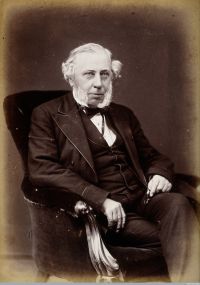
Portrait of John Milner Fothergill John Milner Fothergill Popular Science Monthly (1874)

Such consideration is, however, without the sphere of the present paper, which deals with cerebral manifestations in relation to ordinary disease, and not with those ailments which belong to the province of the alienist physician. To one form of disorder of the cerebral cells alone may reference be made here, and that is as to the effects of mental over-strain. Brain-tissue can be developed by exercise, and worn out by overwork. When this latter condition has been induced, there exists that irritability which forms part of the early stage of the exhaustion of nerve-matter.
Source: Wikisource

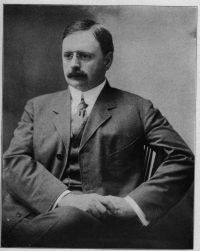
Portrait of Charles West Charles West The Mother's Manual of Children's Diseases

These two facts suggest a bright as well as a dark view of disorders of the brain and nervous system in early life. If disorder is more frequent, it is excited by slighter causes, is more likely to be temporary, and even its gravest symptoms, such as convulsions and paralysis, have a less serious import in the one case than in the others. If the grown man has a fit, and still more, if that fit is followed by paralysis, we fear and with reason that some vessel in the brain-substance has given way, or that some grave, probably irreparable damage [Pg 89] has been inflicted on it.
Source: Gutenberg

Get perspective with Kwize: daily news enlightened by great literature