Oil (chemistry)

Definition and stakes

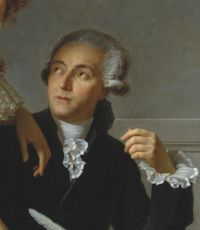
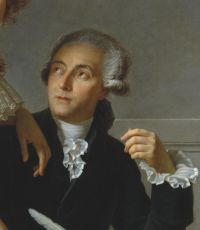
Portrait of Antoine Laurent Lavoisier Antoine Laurent Lavoisier,  Elements of Chemistry,

“ By these experiments, it appears that fixed oils combine with oxygen during combustion, and are thereby converted into water and carbonic acid. By means of calculation applied to the products of these experiments, we find that fixed oil is composed of 21 parts, by weight, of hydrogen combined with 79 parts of charcoal. Perhaps the solid substances of an oily nature, such as wax, contain a proportion of oxygen, to which they owe their state of solidity. ”
Source: Gutenberg

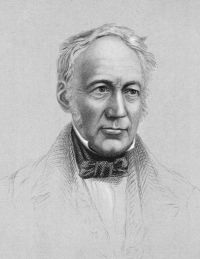
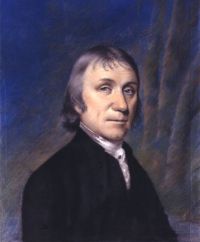
Portrait of Joseph Priestley Joseph Priestley,  Heads of Lectures on a Course of Experimental Philosophy…

“ It burns with smoke and soot, and leaves a residuum of a coaly substance. It consists of acid and water combined with phlogiston.
[Pg 71] All oil is the produce of the vegetable or animal kingdom, no proper mineral substance containing any of it.
By distillation oil is in part decomposed, and by this means the thicker kinds of oil are rendered thinner and more volatile, the acid, to which their consistence is chiefly owing, being lost in the process. By repeated distillation it is supposed that all oils may be brought almost to the state of æther, and even of ardent spirit.
”
Source: Gutenberg

Get perspective with Kwize: daily news enlightened by great literature