Old-growth forest

Definition and stakes

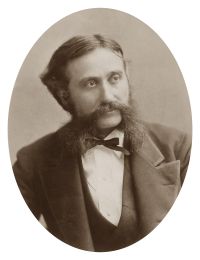
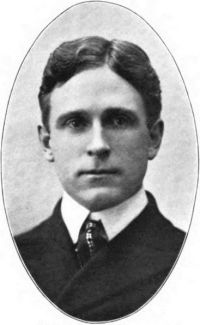
Portrait of Susan Fenimore Cooper Susan Fenimore Cooper Rural Hours (1851)

Belonging to the old forest race, they have been closely pressed on all sides by their fellows, and the trunks rise in a branchless shaft to a commanding height; their foliage crowns the summit in full masses, and if never devoid of the native graces of each species, still it has not all the beauty developed by the free growth of the open fields. The older ashes, elms, and oaks are striking trees, much more stern and simple than their brethren of the lawns and meadows, all bearing the peculiar character of forest growth.
Source: Wikisource

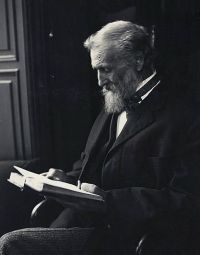
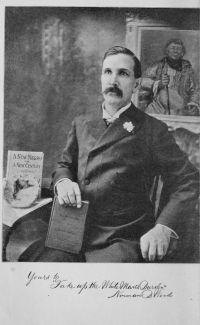
Portrait of John Muir John Muir Our National Parks

As soon as a redwood is cut down or burned it sends up a crowd of eager, hopeful shoots, which, if allowed to grow, would in a few decades attain a height of a hundred feet, and the strongest of them would finally become giants as great as the original tree. Gigantic second and third growth trees are found in the redwoods, forming magnificent temple-like circles around charred ruins more than a thousand years old. But not one denuded acre in a hundred is allowed to raise a new forest growth.
Source: Gutenberg

Anonymous Trees of the Forest: Their Beauty and Use

But survival of the fitter does not produce National Forests of the fullest value in our modern day, for not all tree species are useful to man. These and other undesirable forest vegetation fight for their share of soil and water and, if strong enough, crowd out or slow the growth of more desirable trees. Very old trees, like very old people, become afflicted with infirmities. They suffer disease and decadence; unlike people, they seldom die alone, for they threaten an entire forest by inviting infestation by insects and creating conditions favorable to fire.
Source: Gutenberg

Get perspective with Kwize: daily news enlightened by great literature