Omelet

Definition and stakes

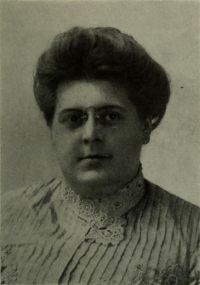
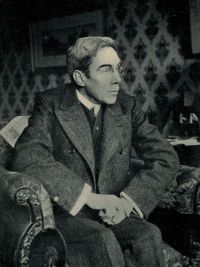
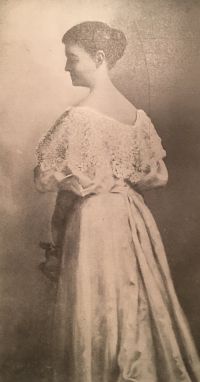
Portrait of Paul de Kock Paul de Kock,  Sister Anne (Novels of Paul de Kock…

“ Unluckily, the eggs in the omelet were not fresh, and the wine was sour; Ménard made a wry face at every mouthful and every swallow, while Dubourg said:
"I know of no healthier food than an omelet. Whatever country you travel in, wherever you may be, if there are eggs, you have an omelet! Everybody knows how to make it; it's a universal dish, the dish of nature."
”
Source: Gutenberg

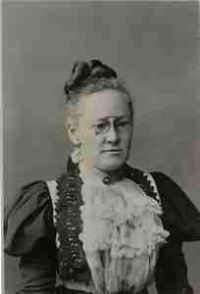
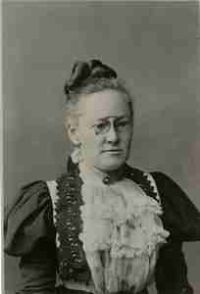
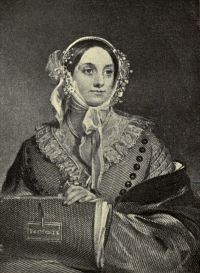
Portrait of Eliza Leslie Eliza Leslie,  Miss Leslie's Lady's New Receipt-Book…

“ An omelet-pan should be smaller than a common frying-pan, and lined with tin. In a large pan the omelet will spread too much, and become thin like a pancake.
Never turn an omelet while frying, as that will make it heavy and tough. When done, brown it by holding a red-hot shovel or salamander close above the top.
Excellent omelets may be made of cold boiled ham, or smoked tongue; grated or minced small, mixed with a sufficiency of beaten eggs, and fried in butter.
”
Source: Gutenberg

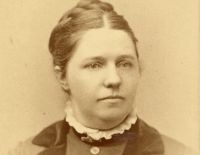
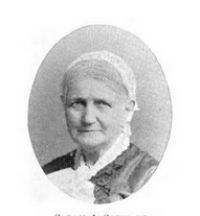
Portrait of Myrtle Reed Myrtle Reed,  The Myrtle Reed Cook Book

“ French writers say positively that no liquid of any sort must be added to an omelet—that it contains eggs and eggs alone, beaten just enough to break the yolks. American authorities add milk or water, or beat the eggs separately, the whites to a stiff froth. One of them makes a clear distinction between an omelet and a puffy omelet; the puffy omelet, of course, being made by folding in the stiffly beaten whites before cooking. Some say milk makes it tough, and others say water makes it stringy. Suffice it to say, however, that a perfect omelet is a matter of experience and a deft hand. ”
Source: Gutenberg

Get perspective with Kwize: daily news enlightened by great literature