Order of chivalry

Definition and stakes

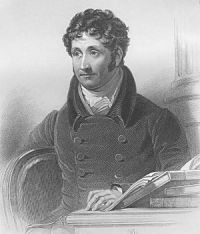
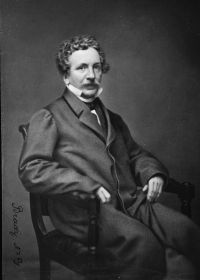
Portrait of G. P. R. James G. P. R. James,  The History of Chivalry

“ What preceded the regular recognition of Chivalry as an institution is entirely traditional; yet in all the old romances, fabliaux, sirventes, ballads, &c. not one instance is to be found in which a squire becomes a knight, without some reference to his religious faith. If he be dubbed in the battle-field, he swears to defend the right, and maintain all the statutes of the noble order of Chivalry, upon the cross of his sword; he calls heaven to witness his vow, and the saints to help him in its execution. ”
Source: Gutenberg

Charles Mills,  The History of Chivalry; Or, Knighthood and Its Times…

“ Such were the various ceremonies of chivalric inauguration. Those of degradation should be noticed. What the offences were which were punishable by degradation it is impossible to specify. If a knight offended against the rules of the order of chivalry he was degraded, inasmuch as he was despised by his brother knights; and as honour was the life-blood of chivalry, he dreaded contempt more than the sword. Still, however, there were occasions when a knight might be formally deprived of his distinctions. ”
Source: Gutenberg

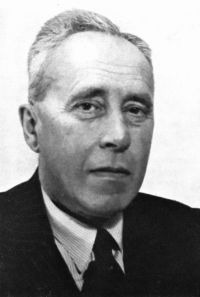
Portrait of Johan Huizinga Johan Huizinga,  The Waning of the Middle Ages (1924)

“ The very essence of the conception of an order of chivalry appears in its knightly vows. Every order presupposes vows, but the chivalrous vow exists also outside the orders, under an individual and occasional form. Here the barbarous character, testifying that chivalry has its roots in primitive civilization, comes to the surface. ”
Source: Wikisource

Get perspective with Kwize: daily news enlightened by great literature