Overfeeding

Definition and stakes

L. Emmett Holt,  The Care and Feeding of Children

“ What is to be done when without any other signs of illness a child's appetite gradually fails?
This is often the result of a long period of overfeeding or the use of milk too rich in fat. If in all other respects the child seems well and simply does not want his food, it should be offered at regular hours, but not more frequently; on no account should he be coaxed, much less forced, to eat, even though he takes only one half or one third the usual quantity.
”
Source: Gutenberg

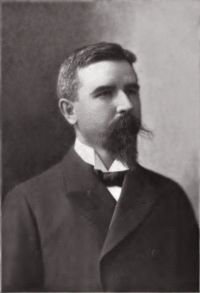
Portrait of R. H. Chittenden R. H. Chittenden,  The nutrition of man

“ Overfeeding is the predominant dietetic sin, and with the prevailing dietary standards, as fixed by common usage, there is good ground for believing that it will continue for many years to come. Reason tells us, however, in the practice of our personal nutrition, to steer a middle course between physiological excess on the one side, and the minimal food requirement on the other. ”
Source: Gutenberg

L. Emmett Holt,  The Care and Feeding of Children

“ All food taken in excess of what a child can digest becomes a burden to him. The food lies in the stomach or bowels undigested, ferments, and causes wind and colic. When overfeeding is longer continued, serious disturbances of digestion are soon produced. The infant is restless, fretful, constantly uncomfortable, sleeps badly, and stops gaining and may even lose in weight. Such symptoms may lead to the mistaken conclusion that too little food is given, and it is accordingly increased, when it should be diminished. ”
Source: Gutenberg

Get perspective with Kwize: daily news enlightened by great literature