Passive resistance, a form of nonviolent protest, challenges oppression through moral and spiritual strength rather than physical force. Mohandas K. Gandhi, in works like Indian Home Rule, framed it as a superior "soul-force," emphasizing fearlessness and unwavering conscience as its foundations.
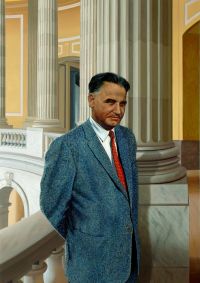
Dalip Singh Saund contrasted it with physical weaponry, advocating resistance through love and faith, while Herman Melville noted its potential to frustrate earnest individuals. Authors like Gandhi and Saund highlighted its universality, transcending physical power to empower individuals and communities through ethical defiance, revealing it as both a philosophical ideal and a strategic means for social change.