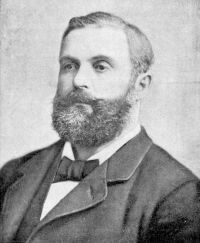
Physical culture, a 19th-century movement emphasizing wellness, strength, and comprehensive bodily development, originated in Germany, the UK, and the US through practices such as gymnastics, calisthenics, and culturally specific systems like the Turnverein and Sokol. It aimed to counter sedentary lifestyles and combined physical training with intellectual or ethical objectives, as reflected in Muscular Christianity.
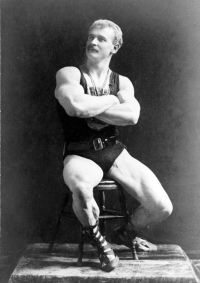
Authors like Edward M. Plummer differentiated it from manual labor, Eugen Sandow portrayed it as a pursuit of physical excellence, and Yogi Ramacharaka critiqued its emphasis on muscle growth. Modern practices and scholarly research confirm its lasting influence as a link between physical activity, health, and cultural identity.