Pianissimo

Definition and stakes

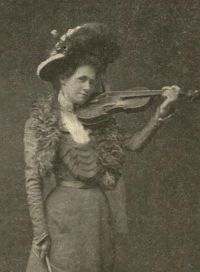
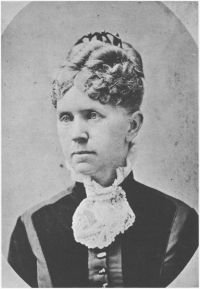
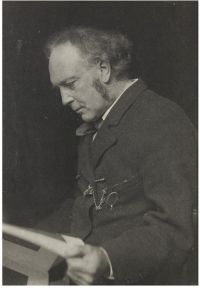
Portrait of Edith Lynwood Winn Edith Lynwood Winn,  How to Study Fiorillo

“ Afterwards use six to a bow; then twelve. Practice number five in octaves at the middle (play both notes at once) . After that, play as marked, accenting the first of every group of two notes. One can go on with the Sevcik studies indefinitely, but I urge pupils to practice these special ones for string-transfers half an hour per day, at least. Always cross the strings lightly. In octaves, move the fingers simultaneously, with no crescendo or forte.
The Hermann edition uses the crescendo, forte, and pianissimo marks.
”
Source: Gutenberg

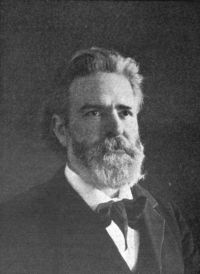
Joseph Haven,  Mental Philosophy: Including the Intellect…

“ Power of Sound over the Mind.—The power of sound to affect the mind, and especially the feelings, is too well known to require specific statement. The note of an instrument, the tone of a human voice, the wild warbling of a bird, the tinkling of a bell, the variations of speech and of song, from the high and shrill to the low and heavy intonation, from the quick and impetuous to the slow and plaintive movement, these simple varieties of tone affect powerfully the heart, and find their way at once and irresistibly to the feelings. ”
Source: Gutenberg

Get perspective with Kwize: daily news enlightened by great literature