Plant culture

Definition and stakes

Henry Arthur Bright,  The English Flower Garden

“ Is it any wonder if horticulture in its best sense—that is, the culture of the garden as a whole—is not what it should be? No gardener can get prizes for well-kept beds, for effects of harmonious colouring, for arrangement of shrubberies, for the grouping of herbaceous plants. He is tempted for the sake of a single specimen to sacrifice the beauty of a whole plant, or the clusters of an entire fruit-tree. That it is most important for nurserymen to be able to compare new species, [74] or new varieties of old species, is of course undeniable. ”
Source: Gutenberg

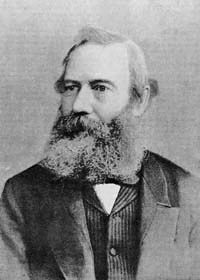
Portrait of A. S. Packard A. S. Packard,  Lamarck, the Founder of Evolution…

“ These effects of changes of circumstances are so well known that botanists prefer not to describe garden plants, at least only those which have been newly cultivated.
“Is not cultivated wheat (Triticum sativum) only a plant brought by man into the condition in which we actually see it? Who can tell me in what country such a plant lives in a state of nature—that is to say, without being there the result of its culture in some neighboring region?
”
Source: Gutenberg

Portrait of Shirley Hibberd Shirley Hibberd,  The Amateur's Greenhouse and Conservatory (1873)

“ Hence, for pleasure and utility alike, the various structures that have been adopted as aids in plant-culture are of the utmost importance to the horticultural amateur, for they bring within the range of his observation and practice the vegetable products of climes that differ greatly in conditions from our own, and they may be so managed as to provide the best possible imitation of a perpetual spring, or of “summer all the year round.” ”
Source: Wikisource

Get perspective with Kwize: daily news enlightened by great literature