A poll tax, or head tax, is a fixed charge imposed equally on all eligible individuals, regardless of income or wealth. Historically, it has functioned as a source of revenue and a means of social control, ranging from ancient religious contributions such as the Jewish half-shekel to Islamic jizya and colonial-era imposts like Canada’s Chinese head tax.
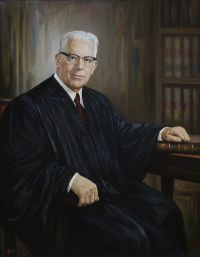
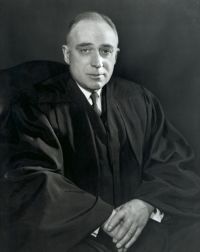
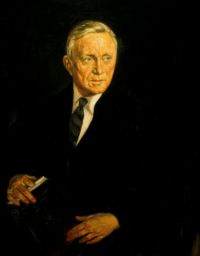
Legal experts such as Hugo Black and Earl Warren criticized its regressive impact and its role in disenfranchising voters, as illustrated in U.S. court cases. While some viewed it as a neutral obligation, others emphasized its unequal effect on the poor, as observed in literary and legal evaluations. The concept continues to be linked to discussions about fairness, voting rights, and the tension between state power and personal freedoms.
 Hugo Black,
Harper v. Virginia Board of Elections…
Hugo Black,
Harper v. Virginia Board of Elections…