Prayer beads

Definition and stakes

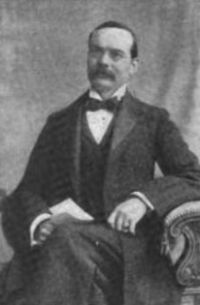
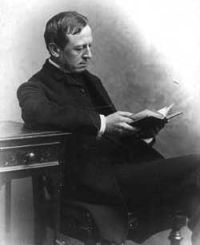
Thomas Lambert Barlow,  Oral Tradition from the Indus

“ You turn not one of the beads of your heart, though you
repeat Five score of them on your rosary. Note.—It may not be generally known that the “Thusbee” or Rosary consists of 100 beads separated by a long bead called “Shumshah” (from the Arabic, 33meaning “tassels” on a rosary) over which there are ten beads called “Shummâr” (from the Persian, meaning “counting”) . When one round of prayers is completed a special short prayer is often added, or the name of Allah is repeated on it one thousand times.
”
Source: Gutenberg

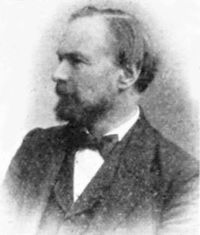
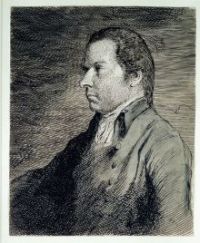
Portrait of Francis Douce Francis Douce,  Illustrations of Shakspeare, and of Ancient Manners

“ Many of the ancient petitions to great men were addressed to them by their "poor daily orators and beadsmen." To count one's beads, means, in the Romish church, to offer up as many prayers to God and the Virgin Mary as the priest or some voluntary penance or obligation shall have enjoined; and that no mistake may happen in the number, they are reckoned by means of certain balls strung in a kind of chaplet, and hence in the English language termed beads, from the Saxon beaꝺ, a prayer. ”
Source: Gutenberg

Marianne Ostier,  Jewels and the woman: The romance… (1958)

“ The telling of rosary beads, widespread today in Moslem as in Catholic lands, is a milder modern aid to prayer; in primitive times the need for protection was no less frequent and more desperate. Those of us who carry a rabbit’s foot or other charm, who put an amulet in our automobile to help us drive safely, who still “knock wood” to keep away mischance, need not smile at our far-off ancestors who engraved their beads with potent symbols or wore a scarab, preferably carved of precious stone, to keep all ills away. Charms and amulets were on every neck and arm. ”
Source: Gutenberg

Get perspective with Kwize: daily news enlightened by great literature