“ The swelling buds were rocking to and fro on the branches, the grass blades were peeping above the ground, and a few brave flowers were opening their sleepy eyes.“Dear me!” cried Pussy, “the wind is sharp and cold, if it is a bright day.”“Why, whom have we here?” asked the brook in great surprise. “True as I live, it is Miss Pussy Willow! Good morning, Pussy, you are out bright and early; but why do you wear that fur hood? Summer is coming and the days grow warmer.” ”
Pussy willow
Definition and stakes
The theme of “pussy willow” has been addressed by authors such as Marvin R. Clark, Agnes Repplier, Gordon Stables, Eleanor Lewis and K. McDowell Rice. It is often associated with terms like cat, woman, Viola, clitoris and catkin.
Quotes about “pussy willow”
“ But they were all very curious to know why she wore her fur hood.Poor Pussy! she was tempted more than once to take it off, so much was said about it. But she didn’t; she thought best to mind Mother Nature. Now, it grieves me to say Mr. Robin was very bold and saucy. He whispered some unkind things to Pussy’s friends one day. The next morning, when Pussy opened her eyes, the birds, the buds, the brook, the grass, and the flowers began to whisper to themselves: “Do you suppose Pussy Willow has to wear her hood because she has no hair? ”
Margaret Warner Morley, Little Wanderers
“ The willow that children know and love the best is the pussy willow. It grows in damp or swampy places and before the leaves come out in the spring the “pussies” are seen on the branches. They are little, soft, silvery pussies, and it is not everybody who knows what they really are.Each “pussy” or catkin, as we must call it, is a group of small flowers, or rather flower-buds, for after the flowers are fully out the pussies lose their soft, silky appearance and no longer deserve to be called pussies.The older catkins are covered with stamens full of yellow pollen or else with seed pods. ”
Related terms
Authors who wrote about “pussy willow”
Marvin R. Clark Agnes Repplier
 Gordon StablesEleanor LewisK. McDowell Riceactive 19th century Lady
 Harriet Beecher StoweAnonymous
 Helen Hunt Jackson
 Thomas De QuinceyMargaret Warner MorleyMichael WoodVariousAbbie Phillips Walker
 Mary Eleanor Wilkins Freeman
 Edward Lear
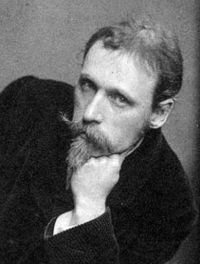 Walter Crane
 Eleanor Stackhouse Atkinson
 Howard Roger Garis
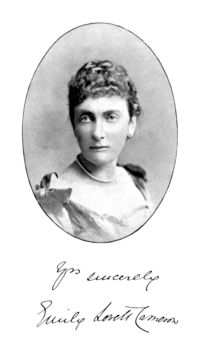 Mrs. H. Lovett Cameron
Agnes RepplierGordon StablesEleanor LewisK. McDowell Riceactive 19th century LadyHarriet Beecher StoweAnonymousHelen Hunt JacksonThomas De QuinceyMargaret Warner MorleyMichael WoodVariousAbbie Phillips WalkerMary Eleanor Wilkins FreemanEdward LearWalter CraneEleanor Stackhouse AtkinsonHoward Roger GarisMrs. H. Lovett Cameron