Right of nature

Definition and stakes

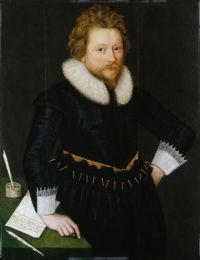
Portrait of Thomas Hobbes Thomas Hobbes Leviathan — The first Part, Of Man (1651)

Of the First and Second Natural Laws, and of Contracts The right of nature, which writers commonly call jus naturale, is the liberty each man hath to use his own power as he will himself for the preservation of his own nature; that is to say, of his own life; and consequently, of doing anything which, in his own judgement and reason, he shall conceive to be the aptest means thereunto.
Source: Wikisource

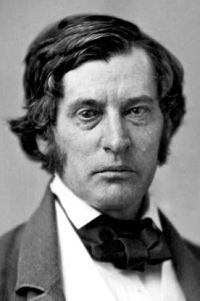
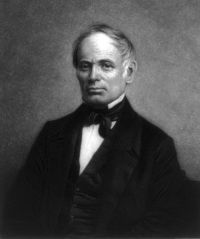
Portrait of Ralph Waldo Emerson Ralph Waldo Emerson Essays: First Series — Self-Reliance… (1841)

All things real are so by so much virtue as they contain. Commerce, husbandry, hunting, whaling, war, eloquence, personal weight, are somewhat, and engage my respect as examples of its presence and impure action. I see the same law working in nature for conservation and growth. Power is in nature the essential measure of right. Nature suffers nothing to remain in her kingdoms which cannot help itself.
Source: Wikisource

Get perspective with Kwize: daily news enlightened by great literature