Self-assertiveness

Definition and stakes

G. A. Johnston,  An Introduction to Ethics, for Training Colleges… (1915)

“ At their "just right" degree these instincts become identical in their operation. Instinctive behaviour which shows the "just right" amount of self-assertiveness will also exhibit the "just right" degree of self-abasement. But we all know that excessive self-assertion is socially injurious, and so is excessive self-abasement. (5) The value of the gregarious instinct in its proper degree has already been referred to. Where it is lacking a man is apt to become a recluse and even a misanthrope. On the other hand, where it is unduly strong, it produces a pernicious love of the crowd. ”

Source: Wikisource

G. A. Johnston,  An Introduction to Ethics, for Training Colleges… (1915)

“ The closely-related instincts of self-assertion and self-abasement are exhibited by the child in its relations with other people, and especially with other children of about its own age. It is apt to "show off," "put on side," swagger and brag—tendencies in which it is often encouraged by the applause with which parents and friends greet its early efforts to talk and walk. These displays of self-assertiveness often alternate with fits of shyness and bashfulness, which result immediately from the instinct of self-abasement. ”
Source: Wikisource

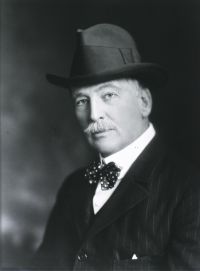
Portrait of Robert Sessions Woodworth Robert Sessions Woodworth,  Psychology

“ If we ask how the child comes to make the distinction between the self and the not-self, we have to call to mind the assertiveness that manifests itself very early in the child's behavior--how he resists being pushed and pulled about, struggles against being held, and in many ways, more and more complex as he develops, shows that he has a "will of his own". ”
Source: Gutenberg

Get perspective with Kwize: daily news enlightened by great literature