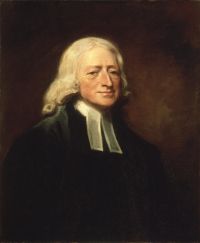
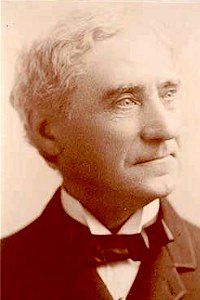
In philosophy, "sense" refers to the immediate, sensory awareness of the world, often contrasted with higher faculties such as reason or imagination. This theme has been examined through various perspectives: Boethius distinguished sense as the means of perceiving material forms, while Margaret Cavendish contended that perception and reason are present throughout all parts of the body, rejecting strict localization.
William James emphasized its dual role in distinguishing mental and physical domains, and Josiah Royce underscored how sensory impressions are actively influenced by human expectations. These viewpoints illustrate sense as both a fundamental experience and a foundation for building philosophical understanding, connecting raw perception with abstract exploration.
 Anicius Manlius Severinus Boethius,
The Consolation of Philosophy
(1897)