Shipboard

Definition and stakes

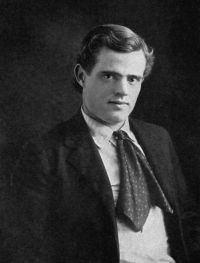
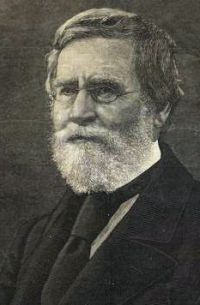
Portrait of Joseph Hergesheimer Joseph Hergesheimer,  Java Head

“ On shipboard everything pretty much is charted; a thing will be followed more or less by a fixed consequence. The waves break so and so on coral or rocks or sand; there is usually the sun for an observation; a good man knows his ship, how many points she'll hold on the wind, how a cargo must be stowed, when to take in the light canvas. You can give the man at the wheel a course and turn in or stay on deck and beat your way through hell. It's exact, you know, but on shore—" he made a hopeless gesture. ”
Source: Gutenberg

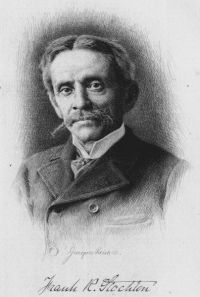
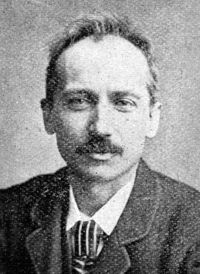
Portrait of Robert Barr Robert Barr,  In a steamer chair, and other shipboard stories

“ When a great ocean racer is making ready to put out to sea, there can hardly be imagined a more bustling scene than that which presents itself on the deck and on the wharf. There is the rush of passengers, the banging about of luggage, the hurrying to and fro on the decks, the roar of escaping steam, the working of immense steam cranes hoisting and lowering great bales of merchandise and luggage from the wharf to the hold, and here and there in quiet corners, away from the rush, are tearful people bidding good-bye to one another. ”
Source: Gutenberg

W. S. Lindsay,  History of Merchant Shipping and Ancient Commerce… (1874)

“ Here the master does not superintend personally, but gives general instructions to the chief mate, whose duty it is to see to their execution. In order to understand this distinction, it is necessary to define the two great divisions of duty and labour on shipboard. One is the working and navigating of the vessel; that is, the keeping and ascertaining the ship’s position on the ocean, directing her course, the making and taking in sail, trimming the yards to the wind, and the various nautical manɶuvres and evolutions of a vessel. ”
Source: Gutenberg

Get perspective with Kwize: daily news enlightened by great literature