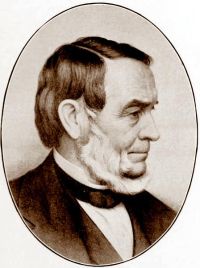
Slave labor refers to the forced or coerced work of individuals, historically linked to systems of bondage and exploitation. Authors such as Hinton Rowan Helper critiqued its dehumanizing effects, noting that enslaved workers lacked motivation to work beyond subsistence, while William O. Blake emphasized its economic distortion, arguing it undermined the dignity of free labor.
Others, like Harriet Beecher Stowe, acknowledged the susceptibility of slave labor to being displaced by free labor, highlighting its financial inefficiencies. Meanwhile, Lucius Quintus Cincinnatus Lamar II contrasted the industrial dynamism of free labor in the North with the stagnation of slavery, underscoring fundamental systemic differences. These perspectives collectively reveal a tension between economic practicality and moral opposition to coerced labor.