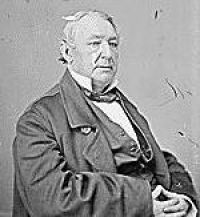
The son-in-law, a figure deeply embedded in familial and marital relationships, has consistently appeared as a subject in literature and legal analysis. From Balzac’s sharp critiques portraying the role as a "rascal" corrupting daughters to Hammurabi’s ancient regulations concerning dowries and spousal rights, writers have examined the tensions between different generations and genders.
Works such as The Thousand Nights and a Night illustrate strategic maneuvering, while scholars like Frazer emphasize cultural prohibitions related to in-laws. Whether through legal frameworks, social traditions, or narrative disputes, the son-in-law represents the intricacies of kinship and authority, mirroring societal norms and susceptibilities across different eras.
 Honoré de Balzac,
Father Goriot
(1835)