Sponge (biology)

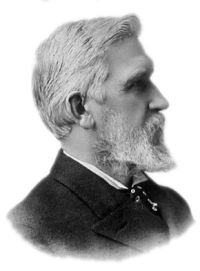
Portrait of Nelson Annandale Nelson Annandale,  Freshwater Sponges, Hydroids & Polyzoa

“ The gemmules from Bhim Tal referred by me to E. robusta (Potts) also belong to this species.
Biology. The external form of the sponge is due in great part to its environment. Specimens on small stones from the bottom of the Kumaon Lakes consist of thin disk-like films, often not more than a few centimetres in diameter and a few millimetres thick: others, growing on thin twigs, are elevated and compressed, resembling a cockscomb in appearance, while others again form nodules and masses of irregular form among the branches of delicate water-weeds.
”
Source: Gutenberg

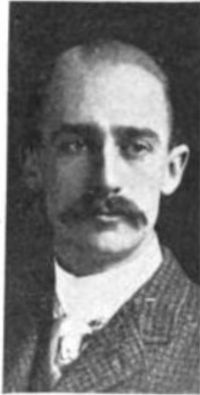
Portrait of Eleanor Stackhouse Atkinson Eleanor Stackhouse Atkinson,  The How and Why Library — Section II (1915)

“ The sponge is the lowest animal that is made of more than one cell. The sponge has a stomach on the inside and bones on the outside. By living, a great many of them, in one house or village, like those old cliff-dwellers, all the little sponges get along better. They live very close neighbors, all work for each other, buy their food of the same grocer, and pay for it in a lump. ”
Source: Wikisource

Get perspective with Kwize: daily news enlightened by great literature