Tanning (leather)

Definition and stakes

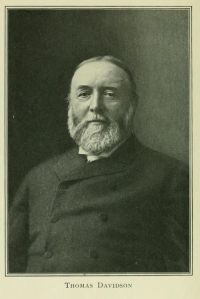
The Boot and Shoe Manufacturers' Assistant and Guide

“ We know it is very difficult to introduce new plans of tanning, for tanners are, like others, wedded to old things; thus the rolling of leather—an operation now generally practiced—was opposed with much bitterness by some of our most experienced tanners, one of whom said ‘he never would roll a hide while he lived,’ an assertion which he wisely lived either to forget or repudiate. ”
Source: Gutenberg

Thomas K. Ford,  The Leatherworker in Eighteenth-Century Williamsburg

“ It is hardly a secret that the processes of tanning and currying infuse the surrounding air with a symphony of odors—a circumstance that helps to explain why a tannery was generally located on the far edge of a town, and usually on the downwind side. As if hides and skins were themselves not fragrant enough, eighteenth-century tanners, curriers, and leather dressers made use at various stages or for special purposes of such delectable commodities as fish oil, sour beer, urine, barley mash, and the fermented dung of chickens, pigeons, and dogs. ”
Source: Gutenberg

Get perspective with Kwize: daily news enlightened by great literature