Trade war

Definition and stakes

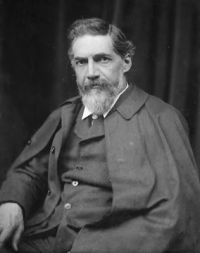
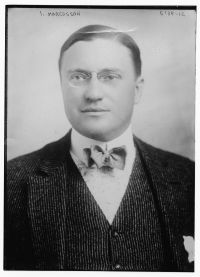
Portrait of Isaac Frederick Marcosson Isaac Frederick Marcosson,  The War After the War

“ Now you begin to see why it is up to the United States to make ready for whatever business fate awaits her beyond the uncertain frontiers of to-morrow. Nor have we been without warning of what may be in store for us. Prohibitive tariffs, blacklists and boycotts, embargoes on mail and cargo, the exclusion from England and France of hundreds of our manufactured articles—all show which way the international trade winds may blow when the belligerents begin to take toll of their losses. ”

Source: Gutenberg

Henry Mann,  The Land We Live In

“ At the close of the war, however, when American ports were thrown open to the trade of Great Britain, the manufacturers of that country, with the deliberate purpose of crushing American industries out of existence, threw vast quantities of goods into the American markets, completely swamping native productions, and making it impossible for native manufacturers to compete with the importations. ”
Source: Gutenberg

Clive Day,  A history of commerce (1922)

“ On the other hand war withdrew workers from constructive industry, and restricted supply at the very time it intensified demand. Every country at war, therefore, sought by means of commerce to relieve the strain on its own resources, importing needed supplies from abroad; each group of belligerents sought to prevent the other group from profiting by this process. The tendency to an increase of imports was accompanied by a tendency to a decline in exports. A country at war could not afford to do business as usual in its foreign trade. ”
Source: Gutenberg

Get perspective with Kwize: daily news enlightened by great literature