Trading company

Definition and stakes

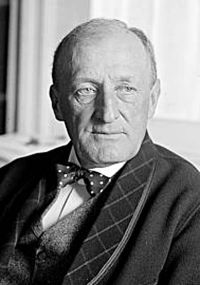
Portrait of Charles A. Beard Charles A. Beard,  History of the United States

“ The Trading Company.—English pioneers in exploration found an instrument for colonization in companies of merchant adventurers, which had long been employed in carrying on commerce with foreign countries. Such a corporation was composed of many persons of different ranks of society—noblemen, merchants, and gentlemen—who banded together for a particular undertaking, each contributing a sum of money and sharing in the profits of the venture. ”
Source: Gutenberg

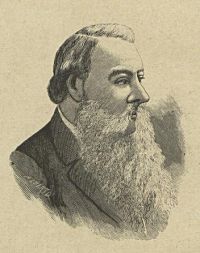
Portrait of Adam Smith Adam Smith,  The Wealth of Nations (1776)

“ When those companies do not trade upon a joint stock, but are obliged to admit any person, properly qualified, upon paying a certain fine, and agreeing to submit to the regulations of the company, each member trading upon his own stock, and at his own risk, they are called regulated companies. When they trade upon a joint stock, each member sharing in the common profit or loss, in proportion to his share in this stock, they are called joint-stock companies. ”
Source: Gutenberg

Beckles Willson,  The Great Company

“ An endeavour was made to convince the Duke that at the price named there could be no risk of loss, because the fur-trade could be separated from the land and rights, and after the purchase a new joint-stock company could be organized to take over the trading-posts, the fleet of ships, the stock of goods, and the other assets, rights and privileges affecting trade. ”
Source: Gutenberg

Get perspective with Kwize: daily news enlightened by great literature