Trepanning

Definition and stakes

J. C. Tregarthen,  Wild Life at the Land's End

“ There was no pool of water there, no spring, as far as I could see; and a small cave at the foot of the high bank was dry, for, boylike, I peeped in over the drift that half-filled its mouth.
Leaving the field, we made for Trevean farmhouse. The snow in the unfrequented lane that we followed was unmarked by any footprint except the track of a hare. Soon we could smell the reek of burning furze, and as we came in sight of the high stone chimney, we heard the mooing of the cattle that had been driven in from the wild moors around.
”
Source: Gutenberg

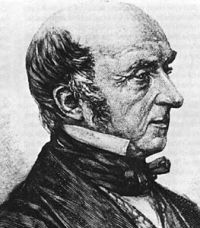
Portrait of Philip Parker King Philip Parker King,  Narrative of a Survey of the Intertropical and Western Coasts of Australia…

“ The method of curing the trepang is thus described by Captain Flinders: "They get the trepang by diving, in from three to eight fathoms water; and where it is abundant, a man will bring up eight or ten at a time. The mode of preserving it is this: the animal is split down on one side, boiled, and pressed with a weight of stones; then stretched open by slips of bamboo, dried in the sun, and afterwards in smoke, when it is fit to be put away in bags, but requires frequent exposure to the sun. A thousand trepang make a picol, of about 125 Dutch pounds ”
Source: Gutenberg

Various,  Popular Science Monthly (1885)

“ When the sharp-eyed fisherman discovers a trepang in the depths, he takes his rod and with a dexterous stroke sweeps the animal from the rock and lands it in the boat. The trepang-catchers are, however, much aided by the marvelous clearness and smoothness of the water in the regions where their game is found.
Chinese fishing-nets are made precisely like those used in the West, preferably of hemp; but, in very large nets, the silk of a wild silk-worm is used, to make them lighter and more manageable, as cotton is used by the Dutch fishermen.
”
Source: Wikisource

Get perspective with Kwize: daily news enlightened by great literature