Uncial manuscript

Definition and stakes

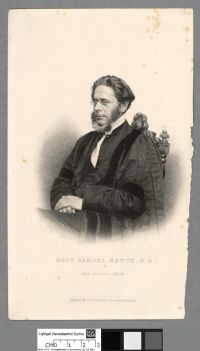
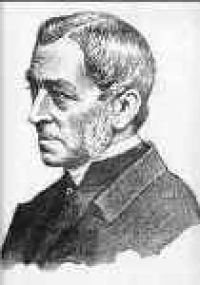
Portrait of Samuel Newth Samuel Newth,  Lectures on Bible Revision

“ Of uncial manuscripts, containing portions of the New Testament, one hundred and fifty-eight have been examined and catalogued. Some of the most valuable of these have been published under the superintendence of careful editors. Others have been thoroughly examined, and their variations so faithfully noted and recorded, that a private student is, for most practical purposes, placed in the same position as the possessor of the manuscript itself. ”
Source: Gutenberg

Portrait of John William Burgon John William Burgon,  The Traditional Text of the Holy Gospels

“ In this way, it will be perceived that a three-fold security has been provided for the integrity of the Deposit:—Copies,—Versions,—Fathers. On the relation of each of which heads to one another something particular has now to be delivered.
[pg 024]
§ 3. Manuscript copies are commonly divided into Uncial, i.e. those which are written in capital letters, and Cursive or “minuscule,” i.e. those which are written in “running” or small hand. This division though convenient is misleading. The earliest of the “Cursives” are more ancient than the latest of the “Uncials” by full one hundred years18.
”
Source: Gutenberg

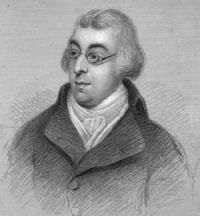
Portrait of Robert Green Ingersoll Robert Green Ingersoll,  The Works of Robert G. Ingersoll…

“ Nobody ever saw anybody who had seen anybody who had heard of anybody that had ever seen anybody that had ever seen one of the original Hebrew manuscripts. No doubt the clergy of your city have told you these facts thousands of times, and they will be obliged to me for having repeated them once more. These manuscripts are written in what are called capital Greek letters. They are called Uncial manuscripts, and the New Testament was not divided into chapters and verses, even, until the year of grace 1551. In the original the manuscripts and gospels are signed by nobody. ”
Source: Gutenberg

Get perspective with Kwize: daily news enlightened by great literature