Voter registration refers to the process by which qualified individuals officially declare their intention to take part in elections, a necessary step in many regions. Systems differ around the world: some automatically enroll citizens using population records, while others necessitate personal applications or on-the-day registration. In the United States, legislative initiatives such as the National Voter Registration Act of 1993 broadened access through motor vehicle agencies and postal services.
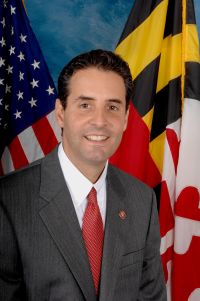
Politicians like Joseph Robinette Biden and John Sarbanes have stressed the importance of reducing obstacles, promoting automatic enrollment and simplified procedures to guarantee inclusivity. Meanwhile, leaders such as Edward John Markey have supported reforms including web-based registration and reinstating voting rights for those previously incarcerated. These varied strategies illustrate a common objective: to enhance participation while considering administrative practicality and legal constraints.