Votive offering

Definition and stakes

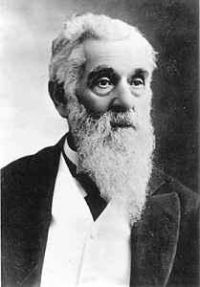
Samuel H. Kellogg,  The Expositor's Bible: The Book of Leviticus

“ If we have rightly understood the significance of this offering, the ritual which is given will now easily yield us its lessons. As in the case of the burnt-offering, the meal-offering also must be brought unto the Lord by the offerer himself. The consecration of our works, like the consecration of our persons, must be our own voluntary act. Yet the offering must be delivered through the mediation of the priest; the offerer must not presume himself to lay it on the altar. Even so still. In this, as in all else, the Heavenly High Priest must act in our behalf with God. ”
Source: Gutenberg

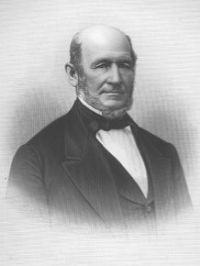
Anonymous,  Jesus Fulfils the Law

“ In every case the offering was required to be perfect in its kind, and without blemish.
The sin-offering was more especially for atonement; but the voluntary and other offerings are spoken of as contributing thereto (Lev. i. 3) : coming from the voluntary will of the people, they expressed the heart’s devotion, and bore a “sweet savour to God.”
”
Source: Gutenberg

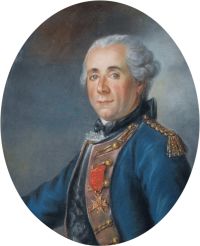
The Confutatio Pontificia

“ But when they allege in their favor C. Nuptiarum, They accomplish nothing, for it speaks of a simple not of a religious vow, which the Church observes also to this day. The marriages of monks, nuns, or priests, have therefore never been ratified. Futile also is their statement that a votive life is an invention of men, for it has been founded upon the Holy Scriptures, inspired into the most holy fathers by the Holy Ghost. ”
Source: Wikisource

Get perspective with Kwize: daily news enlightened by great literature