Water filtration

Definition and stakes

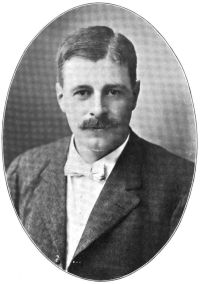
Portrait of Allen Hazen Allen Hazen,  The filtration of public water-supplies (1900)

“ Household filters may be used to remove mud or iron rust from the tap water, or to remove the bacteria in case the latter is sewage-polluted, or to do both at once. Perhaps oftener they are used simply because it is believed to be the proper thing, and without any clear conception either of the desired result or the way in which it can be accomplished. I shall consider them only in their relations to the removal of bacteria, as I credit the people who employ them with being sufficiently good judges of their efficiency in removing visible sediment. ”
Source: Gutenberg

Portrait of Allen Hazen Allen Hazen,  The filtration of public water-supplies (1900)

“ One of the first requirements of successful filtration is that the rate of filtration shall be practically the same in all parts of the filter. This is most difficult to secure when the filter has just been cleaned and the friction of the sand layer is at a minimum. If the friction of the water in entering and passing through the underdrains is considerable, the more remote parts of the filters will work under less pressure, and will thus do less than their share of the work, while the parts near the outlet will be overtaxed, and filtering at too high rates will yield poor effluents. ”
Source: Gutenberg

Portrait of Allen Hazen Allen Hazen,  The filtration of public water-supplies (1900)

“ I think every one who has carefully studied the recent history of water filtration in its relation to disease has been convinced that filtration carefully executed under suitable and normal conditions, even if not an absolute, is at least a very substantial protection against water-carried diseases, and the few apparent failures to remove objectionable qualities have been without exception due to abnormal conditions which are now understood and in future can be prevented. ”
Source: Gutenberg

Get perspective with Kwize: daily news enlightened by great literature