White-headed eagle

Definition and stakes

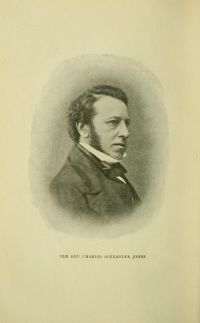
Portrait of C. A. Johns C. A. Johns,  British Birds in Their Haunts

“ Elevated on the high dead limb of some gigantic tree, that commands a wide view of the neighbouring shore and ocean, the great White-headed Eagle seems calmly to contemplate the motions of the various feathered tribes that pursue their busy vocations below. High over all these hovers one whose actions instantly arrest all his attention. By his wide curvature of wing, and sudden suspension in air, he knows him to be the Fish Hawk settling over some devoted victim of the deep. His eye kindles at the sight, and balancing himself with half-open wings on the branch, he watches the result. ”
Source: Gutenberg

George John Romanes,  Animal Intelligence

“ The white-headed eagle has also developed the plundering instinct in great perfection, as is shown by the following graphic account of Audubon:—
During spring and summer, the white-headed eagle, to procure sustenance, follows a different course, and one much less suited to a bird apparently so well able to supply itself without interfering with other plunderers. No sooner does the first hawk make its appearance along the Atlantic shore, or around the numerous and large rivers, than the eagle follows it, and, like a selfish oppressor, robs it of the hard-earned fruits of its labour.
”
Source: Gutenberg

Portrait of John James Audubon John James Audubon,  Ornithological Biography (1831)

“ The White-headed Eagle is seldom seen alone, the mutual attachment which two individuals form when they first pair seeming to continue until one of them dies or is destroyed. They hunt for the support of each other, and seldom feed apart, but usually drive off other birds of the same species. They commence their amatory intercourse at an earlier period than any other land bird with which I am acquainted, generally in the month of December. ”
Source: Wikisource

Get perspective with Kwize: daily news enlightened by great literature