Winter wren

Definition and stakes

Neltje Blanchan,  Bird Neighbors

“ The spot that decided preference leads him to, either winter or summer, is beside a bubbling spring. In the moss that grows near it the nest is placed in early summer, nearly always roofed over and entered from the side, in true wren-fashion; and as the young fledglings emerge from the creamy-white eggs, almost the first lesson they receive from their devoted little parents is in the fine art of bathing. Even in winter weather, when the wren has to stand on a rim of ice, he will duck and splash his diminutive body. ”
Source: Gutenberg

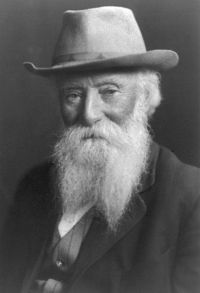
Portrait of John Burroughs John Burroughs,  Wake-Robin

“ The winter-wren is another marvelous songster, in speaking of whom it is difficult to avoid superlatives. He is not so conscious of his powers and so ambitious of effect as the white-eyed fly-catcher, yet you will not be less astonished and delighted on hearing him. He possesses the fluency and copiousness for which the wrens are noted, and besides these qualities, and what is rarely found conjoined with them, a wild, sweet, rhythmical cadence that holds you entranced. ”
Source: Gutenberg

Various,  Birds and Nature Vol. 11 No. 1…

“ Down by the branches on cold frosty mornings you will find a little brown ball of a bird, that with tail tilted up over his back dives under every bridge, slides into every brush-heap, or hides tantalizingly behind every log that comes in his path. Not shy, yet not bold, he disappears from view at the most exasperating moments. Coming with the frosts, going away when they cease, he certainly deserves the name of winter wren. Shorter than the Carolina, darker on the back and tail, his nervous, fidgety manner makes it an easy matter to distinguish him from his more talented cousin. ”
Source: Gutenberg

Get perspective with Kwize: daily news enlightened by great literature