Wood ash

Definition and stakes

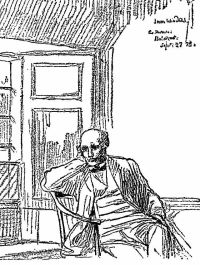
Portrait of John R. Wise John R. Wise,  The New Forest: Its History and Its Scenery

“ The finest beech-wood is that of Mark Ash. There you may see true beech-forms, the boles spangled with silver scales of lichen, and the roots—more fangs than roots—grasping the earth, feathered with the soft green down of moss.
But not in individual trees lies the beauty of the Forest, but in the masses of wood. There, in the long aisles, settles that depth of shade which no pencil can give, and that colouring which no canvas can retain, as the sunlight pierces through the green web of leaves, flinging, as it sets, a crown of gold round each tree-trunk.
”
Source: Gutenberg

Henry H. Gibson,  American Forest Trees

“ The importance of ash in the industries of the country does not depend on the quantity but the quality of the wood. Although the various species are produced in thirty-nine states, as shown by mill statistics, the total yield is less than 250,000,000 feet a year. That is exceeded by several woods, among them hickory, elm, beech, basswood, chestnut, and even larch.
The wood of ash which has grown rapidly is generally considered superior to that of slow growth.
”
Source: Gutenberg

J. B. Wagner,  Seasoning of Wood

“ The wood shrinks moderately, seasons with little injury, stands well, and takes a good polish. In carpentry, ash is used for stairways, panels, etc. It is used in shipbuilding, in the construction of cars, wagons, etc., in the manufacture of all kinds of farm implements, machinery, and especially of all kinds of furniture; for cooperage, baskets, oars, tool handles, hoops, etc., etc. The trees of the several species of ash are rapid growers, of small to medium height with stout trunks. They form no forests, but occur scattered in almost all our broad-leaved forests. ”
Source: Gutenberg

Get perspective with Kwize: daily news enlightened by great literature