Wood engraving

Definition and stakes

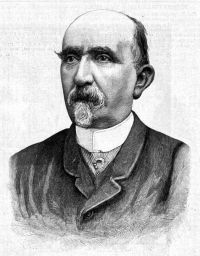
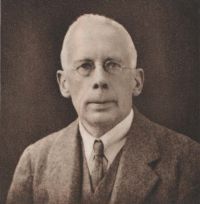
Portrait of George Edward Woodberry George Edward Woodberry A History of Wood-Engraving

More broadly, a landscape shot with the evanescent shadows that hover in rapidly moving mists, or the intermingling light and gloom of a wind-swept moonlit sky half overcast with clouds, wood-engraving has no power to mirror in true likeness. The most it can do in this direction is to indicate, it cannot express; it can exhibit strong contrasts and delicate gradations of light and shadow, and it can suggest varying intensity of hues, by the greater or less depth of its blacks and grays; but real color and perfect chiaroscuro it relinquishes to painting.
Source: Gutenberg

Portrait of George Edward Woodberry George Edward Woodberry A History of Wood-Engraving (1883)

Wood-engraving, however, has been practised in our time less as a fine art than as a useful art; and if little that is valuable for artistic worth has been executed by engravers since the days of Nesbit, Clennell, and Thompson, the application of wood-engraving for merely useful purposes has been of the greatest service. It has become a most powerful instrument of popular education; it imparts the largest share of the visual knowledge which the people have of the things they have not directly seen
Source: Wikisource

Portrait of George Edward Woodberry George Edward Woodberry A History of Wood-Engraving (1883)

In the middle of the fifteenth century, therefore, wood-engraving, the youngest of the arts of design, after fifty years of obscure and unnoticed history, held an established position, and was recognized as a new craft. In art its discovery was the parallel of the invention of printing in literature; it was a means of multiplying and spreading the ideas which are expressed by art, of creating a popular appreciation and knowledge of art, and of bringing beautiful design within the reach of a larger body of men.
Source: Wikisource

Get perspective with Kwize: daily news enlightened by great literature