Writ of habeas corpus

Definition and stakes

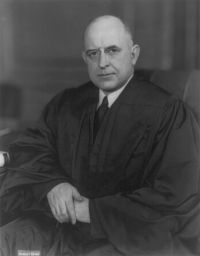
Oliver Wendell Holmes, Jr. United States v. Ju Toy — Opinion of the Court

Can one who judicially establishes his innocence of any offense be punished for crime by the action of a ministerial officer? Can he be punished because he has failed to show to the satisfaction of that officer that he is innocent of an offense? The Constitution declares that 'the privilege of the writ of habeas corpus shall not be suspended, unless when, in cases of invasion or rebellion, the public safety may require it.' There is no rebellion or invasion.
Source: Wikisource

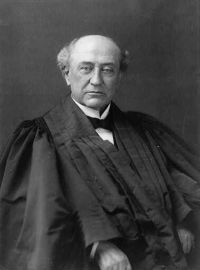
Sydney G. Fisher The Suspension of Habeas Corpus during the War of the Rebellion (1888)

But when people speak of the writ of habeas corpus without more, they mean the great writ ad subjiciendum, the bulwark of liberty, the great writ of liberty, as it is called. It is the writ which is applied for when a man is supposed to be unjustly held in custody, and when it is issued and served, the person holding the prisoner must bring him before the judge and show cause for the detention. If the detention cannot be justified the prisoner will be discharged.
Source: Wikisource

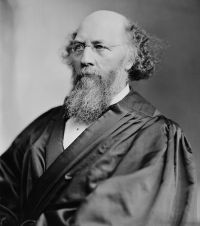
Portrait of Samuel Freeman Miller Samuel Freeman Miller Ex parte Lange — Opinion of the Court

Civil society, however, could not exist if it were permitted that crimes should go unpunished, nor is it true that the writ of habeas corpus was ever intended to operate as the means of delivering a prisoner from his imprisonment if he had been duly indicted, convicted, and sentenced, and is in prison by virtue of a lawful conviction under a valid indictment and a legal sentence passed in pursuance of a constitutional law of the jurisdiction where the offence was committed.
Source: Wikisource

Get perspective with Kwize: daily news enlightened by great literature