Frank Preston Stearns

Biographical details

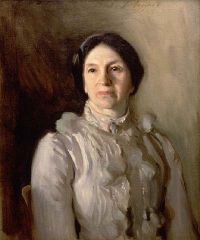
Portrait of Frank Preston Stearns Frank Preston Stearns The Life and Genius of Nathaniel Hawthorne

I know of no such portrait of an old man as Doctor Dolliver in art or literature,—except perhaps Tintoretto’s portrait of his aged self, in the Louvre. We not only see the customary marks of age upon him, but we feel them so that it seems as if we grew old and stiff and infirm as we read of him; and the internal life of old age is revealed to us, not by confessions of the man himself, but by every word he speaks and every act he does as if the writer were a skilful tragedian upon the stage.
Source: Gutenberg

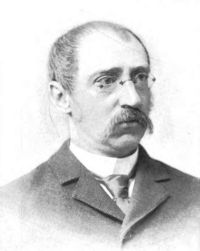
Portrait of Frank Preston Stearns Frank Preston Stearns Sketches from Concord and Appledore

In "Unity," the greatest of his essays, he boldly climbs the Jacob's ladder of philosophy and walks serene among the stars, grappling even with Infinity. He had achieved unity for himself; the one complete cosmopolitan mind of his time. In his highest flights he is never cold or inexorable, but always human, tender, and sympathetic. He loved the unkind, heedless world; life was wonderful to him. "What do I think of Wasson?" said Professor James of Harvard, a few days after his death, "I look upon him as one of the great instructors of mankind."
Source: Gutenberg

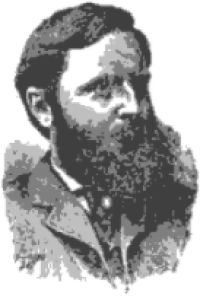
Portrait of Frank Preston Stearns Frank Preston Stearns The Life and Genius of Nathaniel Hawthorne

Phoebe Pyncheon is an ideal character, the type of youthful New England womanhood, and the most charming of all Hawthorne’s feminine creations. Protected by the shield of her own innocence, she leaves her country home from the same undefined impulse by which birds fly north in spring, and accomplishes her destiny where she might have least expected to meet with it. She fills the whole book with her sunny brightness, and like many a young woman at her age she seems more like a spirit than a character.
Source: Gutenberg

Get perspective with Kwize: daily news enlightened by great literature