Summary

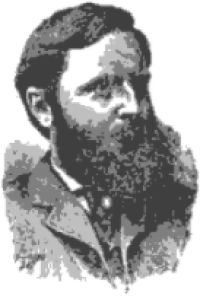
Portrait of Frank Preston Stearns Frank Preston Stearns Sketches from Concord and Appledore

In "Unity," the greatest of his essays, he boldly climbs the Jacob's ladder of philosophy and walks serene among the stars, grappling even with Infinity. He had achieved unity for himself; the one complete cosmopolitan mind of his time. In his highest flights he is never cold or inexorable, but always human, tender, and sympathetic. He loved the unkind, heedless world; life was wonderful to him. "What do I think of Wasson?" said Professor James of Harvard, a few days after his death, "I look upon him as one of the great instructors of mankind."
Source: Gutenberg

Portrait of Frank Preston Stearns Frank Preston Stearns Sketches from Concord and Appledore

Not for nothing it dawns out of everlasting peace, this great discontent, this self-accusing reflection. The very time sees for us, thinks for us. It is a microscope such as philosophy never had. Insight is for us which was never for any, and doubt not, the moment and the opportunity are divine. Wondering we come into this lodge of watchmen, this office of espial; let us not retreat astonished and ashamed. Let us go out of the hall door, and doubt never but a good genius brought us in and will carry us out.
Source: Gutenberg

Portrait of Frank Preston Stearns Frank Preston Stearns Sketches from Concord and Appledore

With such an achievement at the age of twenty-six, what might not have been expected of his maturer years,—of the full fruition of his genius? What but a future candidate for the senate of the United States, or even for the presidency? The full fruition of his genius, the development that nature intended for him, never was realized. It is true, he accomplished much, and was in himself even more,—but by no means what he might have been. Even in the first hour of success, the temptation comes to us which determines our future destiny in one way or another.
Source: Gutenberg

Get perspective with Kwize: daily news enlightened by great literature