Summary

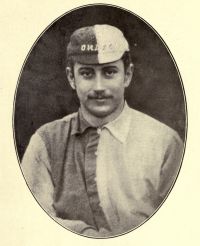
Portrait of C. J. Cornish C. J. Cornish Life at the Zoo: Notes and Traditions of the Regent's Park Gardens

Setting up its huge, flapping ears, it flung up its trunk, snorted and whistled like a steam-engine, driving its head against the rails, and exhibiting every mark of anger and dislike. The Indian bison and the gayal both brought forward their broad ears to listen, and, resting their muzzles against the railings, seemed to enjoy the sounds; a sharp discord caused them to start back, and produced the same effect on the zebras and African wild ass, both of which listened to the harmonious chords with pleasure, and followed the musician from one side of their stall to another.
Source: Gutenberg

Portrait of C. J. Cornish C. J. Cornish Life at the Zoo: Notes and Traditions of the Regent's Park Gardens

If it is not fed when it stretches out its imperious little hand, it flies into a passion at once, making ugly faces, shaking the bars of its cage, and uttering shrill bat-like cries; for the squirrel-monkey is by no means the silky little pet which it appears, but a bold, carnivorous little creature, though its prey is only butterflies and the insects of the Guiana forest.
Source: Gutenberg

Portrait of C. J. Cornish C. J. Cornish Life at the Zoo: Notes and Traditions of the Regent's Park Gardens

For if, on the one hand, the creatures so far share the blessings of the golden age that they entertain a liking rather than a fear of man, and have no dread of a possible enemy behind the mask of music, many of them are no strangers to such forms of it as are produced by the harmony of a band which plays there weekly in summer evenings. To those creatures which have lived for years in that part of the Gardens near the band-stand, the sound of music is no new thing; and it was possible that they might be as indifferent to its strains as an organ-grinder’s monkey to the music of the street.
Source: Gutenberg

Get perspective with Kwize: daily news enlightened by great literature