Summary

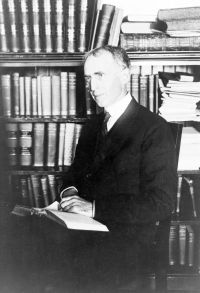
Portrait of Charles A. Beard Charles A. Beard History of the United States — XXIII (1921)

They demanded "equal rights" in the colleges, trades, and professions; equal suffrage; the right to share in all political offices, honors, and emoluments; the right to complete equality in marriage, including equal guardianship of the children; and for married women the right to own property, to keep wages, to make contracts, to transact business, and to testify in the courts of justice. In short, they declared women to be persons as men are persons and entitled to all the rights and privileges of human beings.
Source: Wikisource

Portrait of Charles A. Beard Charles A. Beard History of the United States — XXIII (1921)

The superior position which women enjoy in America to-day is the result of a slow evolution from an almost rightless condition in colonial times. The founders of America brought with them the English common law. Under that law, a married woman's personal property—jewels, money, furniture, and the like—became her husband's property; the management of her lands passed into his control. Even the wages she earned, if she worked for some one else, belonged to him. Custom, if not law, prescribed that women should not take part in town meetings or enter into public discussions of religious questions.
Source: Wikisource

Portrait of Charles A. Beard Charles A. Beard History of the United States — XXIII (1921)

After the rise of democracy, industry, and organized labor, the transactions of everyday life were deemed worthy of a place in the pages of history. In each case history was rewritten and the past rediscovered in the light of the new age. So it will be with the rise and growth of women's political power. The history of their labor, their education, their status in society, their influence on the course of events will be explored and given its place in the general record.
Source: Wikisource

Get perspective with Kwize: daily news enlightened by great literature