Summary

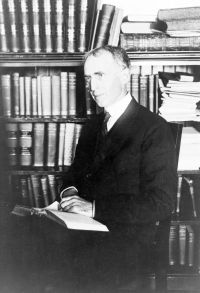
Portrait of Charles A. Beard Charles A. Beard History of the United States — XIII (1921)

Men confederated together upon selfish and interested principles, whether in pursuit of the offices or the bounties of the government, are ever more active and vigilant than the great majority who act from disinterested and patriotic impulses. Have we not witnessed it on this floor, sir? Who ever knew the tariff men to divide on any question affecting their confederated interests?... The watchword is, stick together, right or wrong upon every question affecting the common cause.
Source: Wikisource

Portrait of Charles A. Beard Charles A. Beard History of the United States — XIII (1921)

The Rise of Organized Labor.—The changing conditions of American life, marked by the spreading mill towns of New England, New York, and Pennsylvania and the growth of cities like Buffalo, Cincinnati, Louisville, St. Louis, Detroit, and Chicago in the West, naturally brought changes, as Jefferson had prophesied, in "manners and morals." A few mechanics, smiths, carpenters, and masons, widely scattered through farming regions and rural villages, raise no such problems as tens of thousands of workers collected in one center in daily intercourse, learning the power of coöperation and union.
Source: Wikisource

Portrait of Charles A. Beard Charles A. Beard History of the United States — XIII (1921)

In Philadelphia, Albany, New York City, and New England, labor candidates were put up for elections in the early thirties and in a few cases were victorious at the polls. "The balance of power has at length got into the hands of the working people, where it properly belongs," triumphantly exclaimed the Mechanics' Free Press of Philadelphia in 1829. But the triumph was illusory. Dissensions appeared in the labor ranks. The old party leaders, particularly of Tammany Hall, the Democratic party organization in New York City, offered concessions to labor in return for votes.
Source: Wikisource

Get perspective with Kwize: daily news enlightened by great literature