Summary

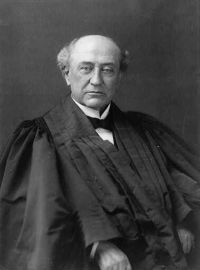
Portrait of David Josiah Brewer David Josiah Brewer South Carolina v. United States…

One is that the national government is one of enumerated powers; and the other, that a power enumerated and delegated by the Constitution to Congress is comprehensive and complete, without other limitations than those found in the Constitution itself.
The Constitution is a written instrument. As such its meaning does not alter. That which it meant when adopted, it means now. Being a grant of powers to a government, its language is general; and, as changes come in social and political life, it embraces in its grasp all new conditions which are within the scope of the powers in terms conferred.
Source: Wikisource

Portrait of David Josiah Brewer David Josiah Brewer South Carolina v. United States…

Would the people of any one state trust those of another with a power to control the most insignificant operations of their state government? We know they would not. Why, then, should we suppose that the people of any one state should be willing to trust those of another with the power to control the operations of a government to which they have confided their most important and most valuable interests? In the legislature of the Union alone are all represented.
Source: Wikisource

Portrait of David Josiah Brewer David Josiah Brewer South Carolina v. United States…

The government was no competitor, nor did it assume to carry on any business which ordinarily is carried on by individuals. Indeed, every attempt at monopoly was odious in the eyes of the common law, and it mattered not how that monopoly arose, whether from grant of the sovereign or otherwise. The framers of the Constitution were not anticipating that a state would attempt to monopolize any business heretofore carried on by individuals.
Source: Wikisource

Get perspective with Kwize: daily news enlightened by great literature