Summary

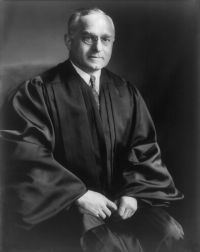
Portrait of Felix Frankfurter Felix Frankfurter Algoma Plywood Veneer Company v…

The term 'unfair labor practice' is not a term of art having an independent significance which transcends its statutory definition. The State are free (apart from pre-emption by Congress) to characterize any wrong of any kind by an employer to an employee, whether statutorily created or known to the common law, as an 'unfair labor practice.' At the time when the National Labor Relations Act was adopted, the courts of many States, at least under some circumstances, denied validity to union-security agreements.
Source: Wikisource

Portrait of Felix Frankfurter Felix Frankfurter Algoma Plywood Veneer Company v…

If the National Labor Relations Act gave affirmative protection to the employer in discharging an employee under a union-security agreement for failure to maintain union membership, it would be necessary to decide whether adoption of the Taft-Hartley Act retroactively removed that protection and whether it equally gave effect to a reinstatement order, an award of back pay, and a cease and desist order which would previously have been invalid.
Source: Wikisource

Portrait of Felix Frankfurter Felix Frankfurter Algoma Plywood Veneer Company v…

Since the enumeration by the Wagner Act and the Taft-Hartley Act of unfair labor practices over which the National Board has exclusive jurisdiction does not prevent the States from enforcing their own policies in matters not governed by the federal law, such freedom of action by a State cannot be lost because the National Board has once held an election under the Wagner Act. The character of activities left to State regulation is not changed by the fact of certification. Certification, it is true, makes clear that the employer and the union are subject to federal law, but that is not disputed.
Source: Wikisource

Get perspective with Kwize: daily news enlightened by great literature