Summary

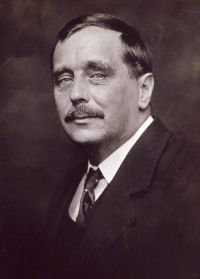
Portrait of H. G. Wells H. G. Wells God, the Invisible King

It is a breeding, fighting thing; it pants through the jungle track as the tiger and lifts itself towards heaven as the tree; it is the rabbit bolting for its life and the dove calling to her mate; it crawls, it flies, it dives, it lusts and devours, it pursues and eats itself in order to live still more eagerly and hastily; it is every living thing, of it are our passions and desires and fears. And it is aware of itself not as a whole, but dispersedly as individual self-consciousness, starting out dispersedly from every one of the sentient creatures it has called into being.
Source: Gutenberg

Portrait of H. G. Wells H. G. Wells God, the Invisible King

They may be necessary, but they are not glorious. The symbol of the crucifixion, the drooping, pain-drenched figure of Christ, the sorrowful cry to his Father, “My God, my God, why hast thou forsaken me?” these things jar with our spirit. We little men may well fail and repent, but it is our faith that our God does not fail us nor himself. We cannot accept the Christian’s crucifix, or pray to a pitiful God. We cannot accept the Resurrection as though it were an after-thought to a bitterly felt death.
Source: Gutenberg

Portrait of H. G. Wells H. G. Wells God, the Invisible King

It is a human paradox that the desire for seemliness, the instinct for restraints and fair disciplines, and the impulse to cherish sweet familiar things, that these things of the True God should so readily liberate cruelty and tyranny. It is like a woman going with a light to tend and protect her sleeping child, and setting the house on fire. None the less, right down to to-day, the heresy of God the Revengeful, God the Persecutor and Avenger, haunts religion.
Source: Gutenberg

Get perspective with Kwize: daily news enlightened by great literature