Summary

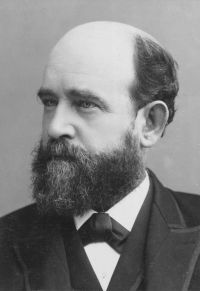
Portrait of Henry George Henry George Progress and Poverty (George)… (1879)

Call it religion, patriotism, sympathy, the enthusiasm for humanity, or the love of God - give it what name you will; there is yet a force that overcomes and drives out selfishness; a force that is the electricity of the moral universe; a force beside which all others are weak. Everywhere that men have lived it has shown its power, and today, as ever, the world is full of it. To be pitied is the man who has never seen and never felt it.
Source: Wikisource

Portrait of Henry George Henry George Progress and Poverty (George)… (1879)

To remove want and the fear of want, to give to all classes leisure, comfort and independence, the decencies and refinements of life, the opportunities of mental and moral development, would be like turning water into a desert. The sterile waste would clothe itself with verdure and the barren places where life seemed banned would ere long be dappled with the shade of trees and musical with the song of birds. Talents now hidden, virtues unsuspected, would come forth to make human life richer, fuller, happier, nobler.
Source: Wikisource

Portrait of Henry George Henry George Progress and Poverty (George)… (1879)

It is the "devil catch the hindmost" of present social adjustments that causes the race and scramble for wealth, in which all considerations of justice, mercy, religion and sentiment are trampled underfoot; in which men forget their own souls and struggle to the very verge of the grave for what they cannot take beyond. But an equitable distribution of wealth, by exempting all from the fear of want, would destroy the greed of wealth, just as in polite society the greed of food has been destroyed.
Source: Wikisource

Get perspective with Kwize: daily news enlightened by great literature