Summary

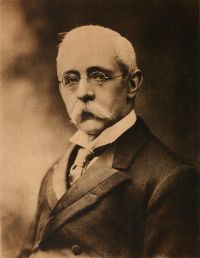
Portrait of Herbert Allen Giles Herbert Allen Giles The Civilization of China — Chapter X—Mings and Ch'ings…

In many respects the conquering Tartars have been themselves conquered by the people over whom they set themselves to rule. They have adopted the language, written and colloquial, of China; and they are fully as proud as the purest-blooded Chinese of the vast literature and glorious traditions of those past dynasties of which they have made themselves joint heirs. Manchu, the language of the conquerors, is still kept alive at Peking. By a fiction, it is supposed to be the language of the sovereign
Source: Wikisource

Portrait of Herbert Allen Giles Herbert Allen Giles The Civilization of China — Chapter X—Mings and Ch'ings…

It cannot be taken from the dynastic history for the simple reason that the official history of a dynasty is not published until the dynasty has come to an end. There is, indeed, a faithful record kept of all the actions of each reigning emperor in turn; good and evil are set down alike, without fear or favour, for no emperor is ever allowed to get a glimpse of the document by which posterity will judge him.
Source: Wikisource

Portrait of Herbert Allen Giles Herbert Allen Giles The Civilization of China — Chapter X—Mings and Ch'ings…

This emperor was an ardent Buddhist, and the priests of that religion were raised to high positions and exerted considerable influence at court. In times of famine there were loud complaints that some ten thousand priests were living comfortably at Peking, while the people of several provinces were reduced to eating bark and grass.
The porcelain of the Ming dynasty is famous all over the world. Early in the sixteenth century a great impetus was given to the art, owing to the extravagant patronage of the court, which was not allowed to pass without openly expressed remonstrance.
Source: Wikisource

Get perspective with Kwize: daily news enlightened by great literature