Summary

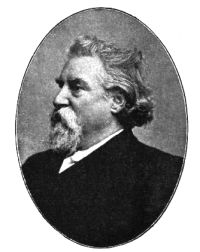
Portrait of James Chalmers James Chalmers Adventures in New Guinea

We had a good bath, and, of course, the inevitable kuku, and then skirted the side of the ridge, passing close by and under great rocks and overhanging cliffs, and up a most extraordinary steep path into splendid sugar-cane and taro plantations. Weary, we sat down and ate sugar-cane under the shade of a great rock. This West Indian “long breakfast” goes well when thirsty and hungry. The natives who accompanied us, having caught a large rat and frog, turned them on the fire and ate them.
Source: Gutenberg

Portrait of James Chalmers James Chalmers Adventures in New Guinea

I stayed with a party of natives who were getting a kind of large almond with a very thick fleshy rind, the nut inside very hard, which they broke open with stones, filling their kits with the kernels. They call the nut okari. They fed me with sugar-cane, taro, and okari, and then got leaves for me to rest on. They had all their arms handy; I was, as I am always, unarmed, and felt thoroughly comfortable with them. Only once in New Guinea have I carried a weapon, and then we had spears thrown at us. I consider a man safer without than with arms.
Source: Gutenberg

Portrait of James Chalmers James Chalmers Adventures in New Guinea

We saw several dugongs on the way, which some esteem extra good food. Tom, one of the Loyalty Island teachers, who was in the boat with us, expressed their edible qualities thus: “You know, sir, pig, he good.” “Yes, Tom, it is very good.” “Ah, he no good; dugong, he much good.” It must be good when a native pronounces it to be better than pork.
We arrived at Port Moresby about six o’clock. I cannot say I was much charmed with the place, it had such a burnt-up, barren appearance. Close to the village is a mangrove swamp, and the whole bay is enclosed with high hills.
Source: Gutenberg

Get perspective with Kwize: daily news enlightened by great literature