John Drinkwater

John Drinkwater

Summary

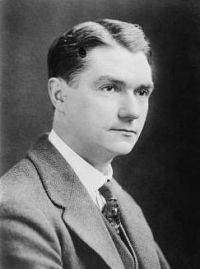
Portrait of John Drinkwater John Drinkwater Victorian Poetry (1924)

In speaking of so noble a poet, and one so rich in pleasure-giving, one would say [171] nothing that should savour at any distance of disparagement. Nor is Morris to be belittled because Chaucer was his master, not only by example, but by achievement. At the same time, in Morris’s narrative poetry, however splendidly it may compel every other honour, there is to those who love it a perplexing something which leaves it short of the very highest. In a strange and impalpable way it seems as though he had withheld some last heart-beat from its creation.
Source: Gutenberg

Portrait of John Drinkwater John Drinkwater Victorian Poetry (1924)

Blake, although he definitely helped the Romantic Revival on its way, was himself, like Landor, rather an isolated manifestation of poetry belonging not very clearly to any particular age. The Romantic Revival, when it did come, came with a full force of reaction against the age of reason, with its often admirable rhetoric, its emotional timidity and its concern with etiquette at the expense of character. But the Romantic Revival, for all the splendour of its common spirit and the great personal genius of its masters, had one radical condition of weakness, namely, that it was a revival.
Source: Gutenberg

Portrait of John Drinkwater John Drinkwater Victorian Poetry (1924)

There had once in English poetry been an age of faith, and there had once been an age of reason, but FitzGerald was of an age in which faith and reason were, in the life of the nation, for the moment inextricably confused, and when poetry addressed itself to rhapsodical belief—or unbelief if you will—as it did in the Rubaiyat, the seductions of reason were ever-present and the fervour of confession was embarrassed by the insinuations of argument.
Source: Gutenberg

Get perspective with Kwize: daily news enlightened by great literature