Summary

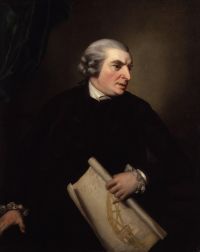
Portrait of John Gwynn John Gwynn The Art of Architecture: A Poem in Imitation of Horace's Art of Poetry

Clearly Vitruvius's rule of decor had not restrained even the publicists of Palladianism.
Humanist architectural theory was losing its authority even as it was being widely disseminated; it was also, as was only half clear to Gwynn, becoming increasingly unintelligible. Wealthy patrons of the art looked more and more upon exact knowledge of it as unbefitting the learning of a gentleman.
Source: Gutenberg

Portrait of John Gwynn John Gwynn The Art of Architecture: A Poem in Imitation of Horace's Art of Poetry

This last rhetorical tactic points to one serious problem which Horace poses for Gwynn—that of assuming an appropriate stance for defending the rules. The tone of Horace's epistle to the Pisos is familiar without being condescending. He writes as an experienced poet and critic to fellow writers, delivering his pronouncements freely and confidently, but without dogmatism. Gwynn is neither an equal writing to equals nor an experienced architect, confident of his qualifications to instruct the world.
Source: Gutenberg

Portrait of John Gwynn John Gwynn The Art of Architecture: A Poem in Imitation of Horace's Art of Poetry

Considering that the tenets of humanist architectural theory are traditionally classified very differently from those of literary criticism, as Gwynn acknowledges in his "Preface" (p. iii) , he manages to accommodate them surprisingly well to the organization of the Ars Poetica. A good example is his treatment of Horace's discussion of the transitoriness of [pg viii] language, as of all things, and the necessary dominance of the rules of usage (11. 46-72) . The most obvious parallel is the inevitable ruin of the pompous buildings which men erect (p. 11) .
Source: Gutenberg

Get perspective with Kwize: daily news enlightened by great literature