Summary

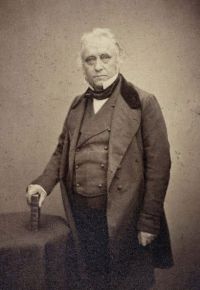
Portrait of Thomas Babington Macaulay Thomas Babington Macaulay The History of England from the Accession of James II…

But in neither case can we absolutely deny the existence of the right. A man beset by assassins is not bound to let himself be tortured and butchered without using his weapons, because nobody has ever been able precisely to define the amount of danger which justifies homicide. Nor is a society bound to endure passively all that tyranny can inflict, because nobody has ever been able precisely to define the amount of misgovernment which justifies rebellion.
But could the resistance of Englishmen to such a prince as James be properly called rebellion?
Source: Wikisource

Portrait of Thomas Babington Macaulay Thomas Babington Macaulay The History of England from the Accession of James II…

But the King had less to fear from those who openly arrayed themselves against his authority, than from the dark conspiracy which had spread its ramifications through his army and his family. Of that conspiracy Churchill, unrivalled in sagacity and address, endowed by nature with a certain cool intrepidity which never failed him either in fighting or lying, high in military rank, and high in the favour of the Princess Anne, must be regarded as the soul.
Source: Wikisource

Portrait of Thomas Babington Macaulay Thomas Babington Macaulay The History of England from the Accession of James II…

Such a victory would be the most cruel wound ever inflicted on the national pride of one of the proudest of nations. The crown so won would never be worn in peace or security: The hatred with which the High Commission and the Jesuits were regarded would give place to the more intense hatred which would be inspired by the alien conquerors; and many, who had hitherto contemplated the power of France with dread and loathing, would say that, if a foreign yoke must be borne, there was less ignominy in submitting to France than in submitting to Holland.
Source: Wikisource

Get perspective with Kwize: daily news enlightened by great literature