Summary

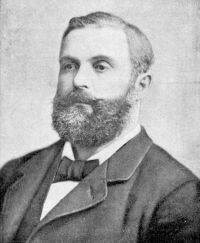
Portrait of Thomas W. Knox Thomas W. Knox Decisive Battles Since Waterloo… (1902)

Shortly after the capture of Memphis the Union flotilla descended the river to Vicksburg, finding no obstructions other than occasional light batteries which fired upon the gun-boats from the banks. While the army and flotilla had been making its way southward a national fleet, commanded by the intrepid Farragut, had passed the forts near the mouth of the Mississippi, emerged victorious from one of the greatest naval battles of the war, and compelled the surrender of New Orleans.
Source: Wikisource

Portrait of Thomas W. Knox Thomas W. Knox Decisive Battles Since Waterloo… (1902)

The enemy pushed their works; they blew up several forts, and with them the garrison, and attempted to charge; but the meagre and famished yet steadfast garrison still defiantly held the key to the Mississippi. But every thing must have an end. General Pemberton learned from General Johnston that he could not afford him relief, and as the garrison was too famished and reduced to cut its way out, he determined to capitulate.
During the siege Johnston made great efforts to gather an army to relieve Vicksburg, but he was unable to do so until too late.
Source: Wikisource

Portrait of Thomas W. Knox Thomas W. Knox Decisive Battles Since Waterloo… (1902)

Reinforcements, provisions, munitions, artillery, and intrenching tools were sent down the river to Grant, and the men set to work with a will to dig their way into Vicksburg. The rugged hills, which afforded excellent ground for constructing works of defence before the siege, were utilized by the besiegers while they prosecuted their enterprise. Day and night the cannon rained shot and shell into the doomed city, the land forces under Grant being seconded vigorously by the gun-boats and mortar rafts of the flotilla.
Source: Wikisource

Get perspective with Kwize: daily news enlightened by great literature